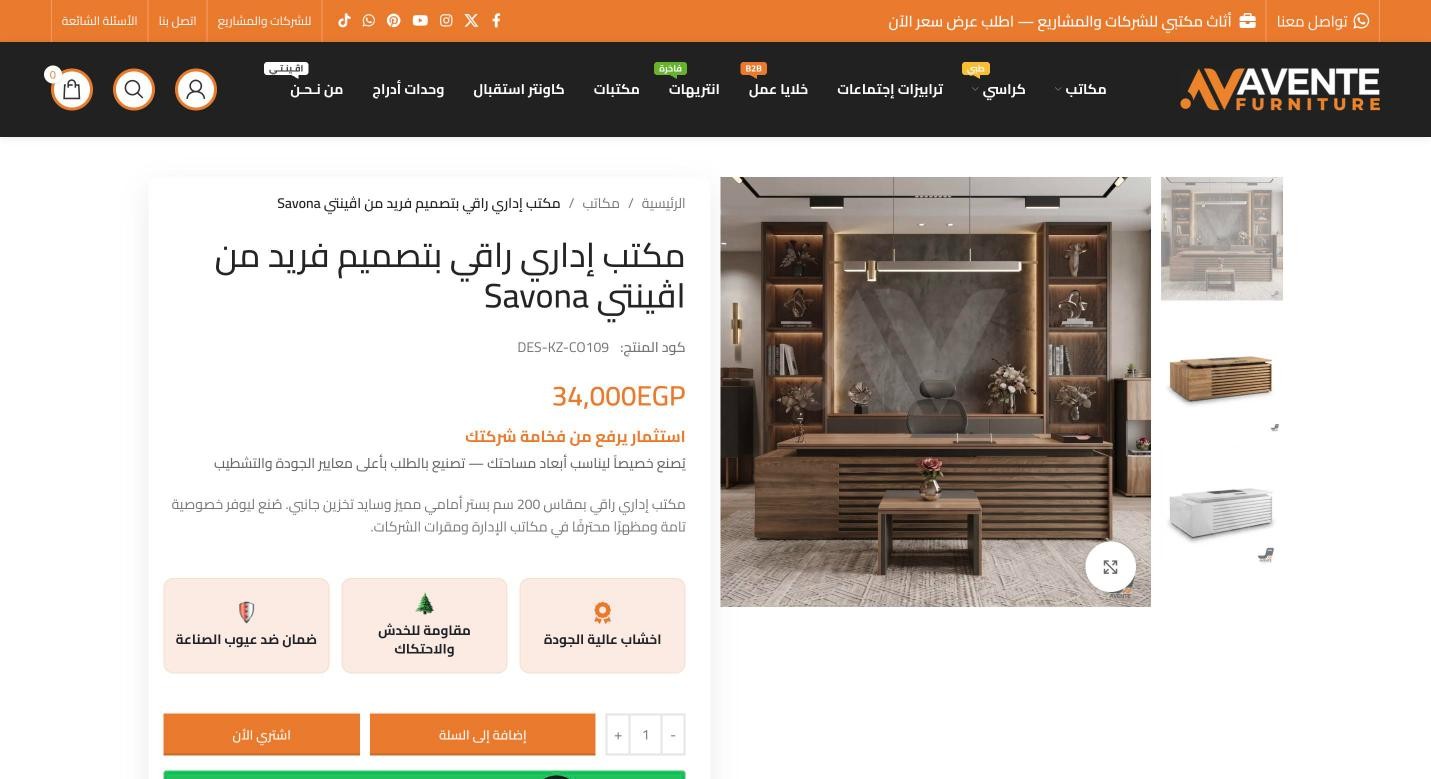
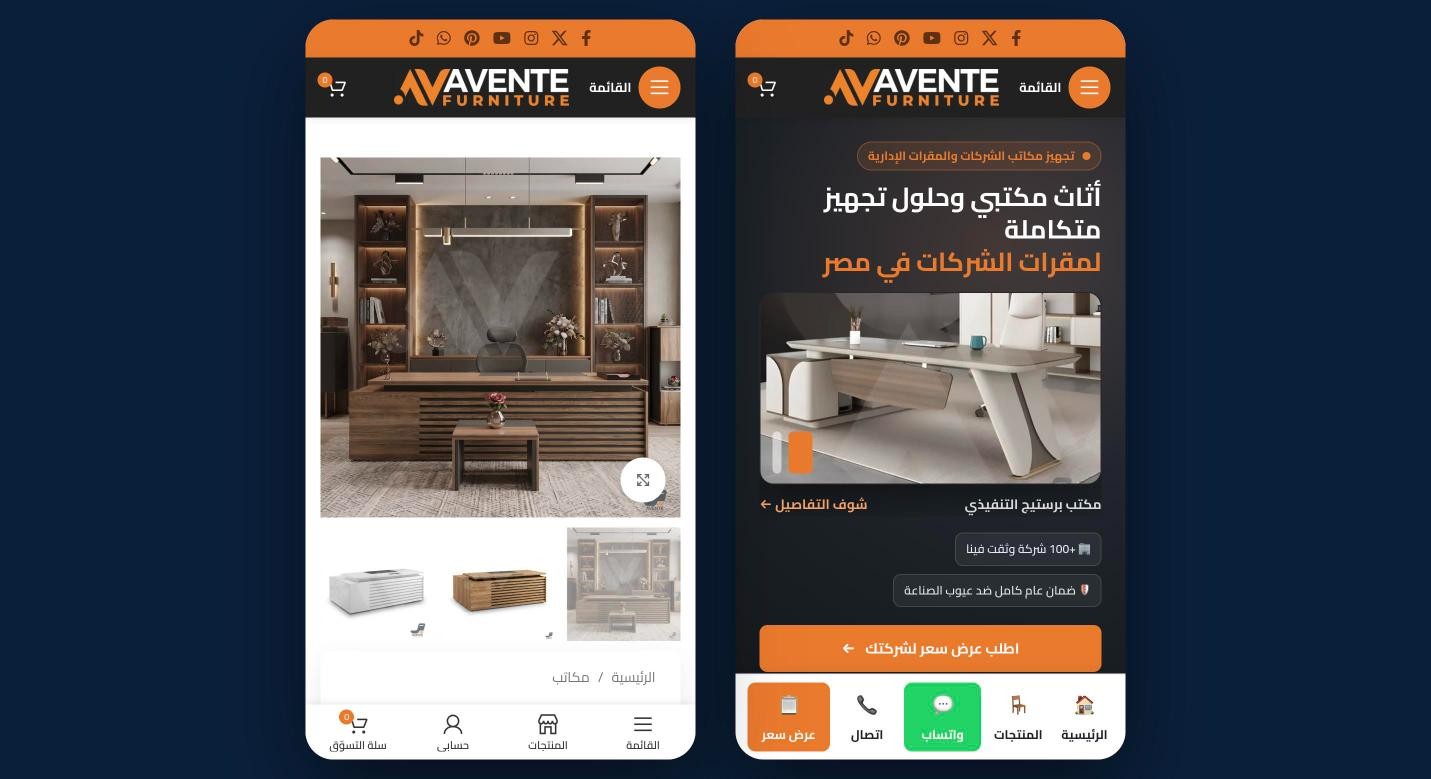
The challenge
Office furniture is sold to companies: a big purchase decision, buyers compare a lot, and most deals close on WhatsApp or a quotation, not on a “Buy” button. So if tracking isn’t accurate, the ads learn the wrong things and the money is wasted. And if the store is slow on mobile, the buyer leaves before seeing the product.
What we did
Architecture: a private server, not shared hosting
- A managed cloud server dedicated to the store, fronted by a Cloudflare Enterprise layer.
- 3 caching layers (edge, server and database) tuned to work together instead of cancelling each other out.
- We found that tracking cookies were breaking the cache on mobile and slowing pages down, and fixed it at the root rather than adding another layer on top.
Tracking: store numbers, not platform numbers
- Full server-side tracking, with Meta Conversions API using one event ID shared by browser and server, so no conversion is counted twice.
- WhatsApp and quote requests are recorded as leads with a source, not lost clicks, so the ads learn from real sales.
Catalog: 700+ products, organized
- A unified product code system (supplier, category, model, variant), and pricing by a fixed formula from supplier prices.
- Supplier files reconciled against the store to fill any missing product, and 18 categories organized around what companies need.
Images and content
- An AI product-photography method that keeps the real product exactly as it is, without inventing details that don’t exist.
- Arabic product pages written to persuade corporate buyers, not just specification tables.
SEO + GEO
- Category and content structure for search in Egypt, and a blog with articles that answer buying questions.
- Structured data so the store appears in Google and in ChatGPT and AI Overviews answers.
Checkout
- An Arabic checkout page with trust signals and defaults set for the Egyptian market, so there are fewer steps to the order.
The result
A live store with more than 700 products and 18 categories, fast on mobile, where every lead is traced back to its source — whether it came from an ad or from search. And the ads now learn from real orders, not from clicks.